Trump Pushes for 10% Credit Card Rate Cap
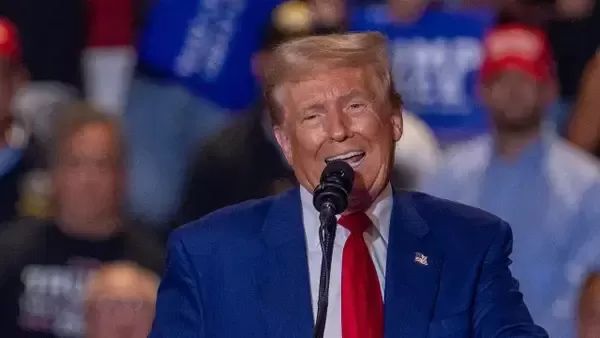
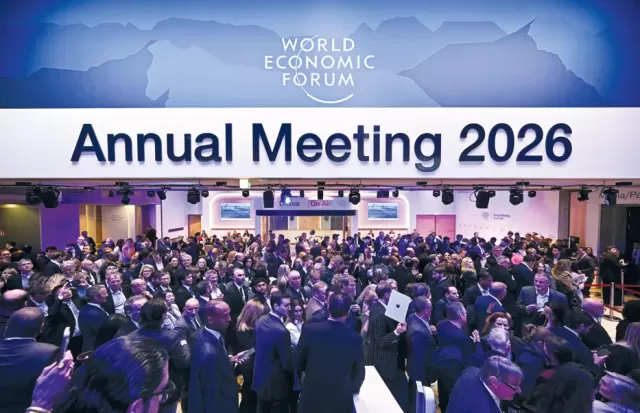
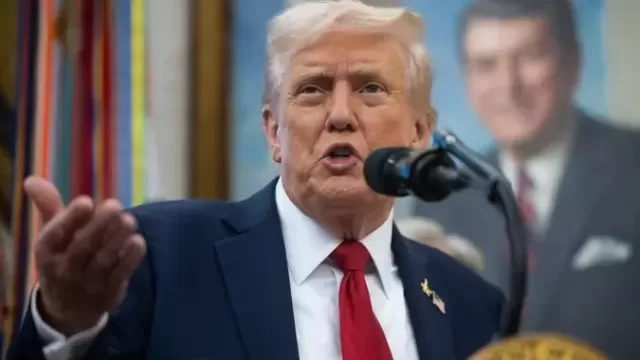
During an appearance at the World Economic Forum in Davos, President Donald Trump called upon U.S. legislators to enact a statutory limit on credit card interest rates. The President is advocating for a temporary measure that would cap rates at 10% for a duration of one year. He argued that current rates, which often range between 28% and 32%, constitute usury and that lowering them would assist millions of Americans in saving funds for homeownership.
This legislative push follows a recent social media directive in which the President urged banks to voluntarily reduce their rates—a request that went largely unheeded by the financial sector.
Market Response and Investor Sentiment
Contrary to what one might expect when an industry faces potential price controls, bank shares rallied following the President's remarks. The KBW Bank Index recorded a 2.2% increase in morning trading, while Capital One, a lender heavily dependent on credit card revenue, saw its stock rise by 1.9%.
Market analysts suggest that shifting the strategy from executive pressure to a legislative process is viewed as a positive development for the industry. Passing a bill through Congress is widely considered a more difficult and lengthy process than direct regulatory action, leading investors to believe that the immediate threat to banking revenues has diminished.
Legislative Hurdles and Political Reality
While the proposal aims to alleviate consumer debt, the likelihood of such a bill becoming law remains low. There are several factors working against the passage of a strict interest rate cap:
Lack of Bipartisan Momentum: Although Senators Josh Hawley and Bernie Sanders previously introduced a bill to cap APRs at 10%, that proposal has stalled.
GOP Resistance: Key Republican figures, including House Speaker Mike Johnson, have historically shown caution regarding government-mandated price controls.
Broader Industry Impact: Analysts note that capping rates would not only affect banks but also harm associated sectors, including airlines and major retailers that rely on co-branded credit card partnerships.
Financial experts indicate that without significant shifts in congressional support, the probability of implementation is minimal.
Banking Sector Pushback and Economic Warnings
Leaders in the financial sector have pushed back against the proposal, warning of severe unintended consequences. Following the President's initial call for voluntary rate cuts, lenders indicated that a forced cap would likely compel them to cancel accounts or deny coverage to consumers with lower credit scores to manage risk.
JPMorgan Chase CEO Jamie Dimon offered a stark critique of the plan while speaking in Davos. He described the concept of universal rate caps as a potential "economic disaster" that could shrink the credit card market for a vast majority of Americans. Dimon rhetorically suggested that the government should test the policy exclusively in states like Vermont and Massachusetts—home to proponents of the cap—to demonstrate the negative fallout.
According to industry leaders, the primary risks of enforcing a 10% cap include:
Drastic Credit Reduction: Lenders may cease offering credit to up to 80% of the current market.
Account Closures: existing cardholders could see their accounts terminated as banks adjust to lower revenue margins.
Strict Compliance: Privately, banking representatives maintain that they are fully compliant with existing laws, rejecting claims that current rates violate any statutes.
While the President holds significant influence, it remains unclear whether his endorsement will be sufficient to overcome the strong lobbying efforts of the financial industry and the legislative gridlock in Congress.