Powell's Fed Future: Independence vs. Trump's Influence
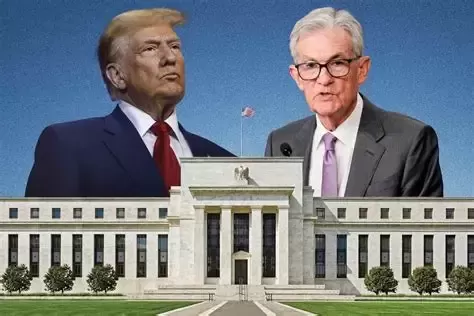
The future leadership of the Federal Reserve is entering a critical phase, with significant uncertainty surrounding Chair Jerome Powell's next move. While his term as chair concludes in mid-May, and a nomination for his successor is anticipated shortly, Powell retains the option to remain on the Board of Governors until 2028. This sets the stage for a potential historic departure from tradition.
A Potential Break from Historical Precedent
Historically, outgoing Fed chairs have also resigned their governor seats. However, growing concerns over political pressure on the central bank's independence could lead Powell to follow the path of Marriner Eccles in the 1940s and retain his board position. This possibility has gained traction following a series of confrontational events.
Escalating Tensions Over Fed Independence
Recent developments have intensified debates over the Fed's autonomy:
- Public criticism from the former president regarding interest rate policy.
- A Justice Department investigation into Chair Powell, which he has labeled a "pretext" for political influence.
- Speculation that other governors with long-term seats, such as Michael Barr and Philip Jefferson, may also choose to stay to bolster the board's independence.
Analysts suggest these pressures may ironically solidify the resolve of current officials to remain, creating a more resilient board.
Diverging Views: Markets vs. Analysts
Financial markets and policy observers are interpreting the situation differently:
- Prediction markets currently assign high odds to Powell departing the board entirely soon after his chairmanship ends.
- In contrast, many Wall Street strategists believe the political climate increases the likelihood of Powell and others staying. They argue that perceived threats to institutional independence could encourage a coordinated effort to maintain stability and continuity within the Fed's leadership.
A complicating factor is a pledge from a key senator to block all Fed nominations until the Justice Department matter is resolved, potentially prolonging the transition.
The Risk of a Political Backfire
The campaign to install new leadership carries inherent risks. Aggressive efforts to reshape the board could harden the stance of sitting officials, making consensus-building more difficult for any new chair. This dynamic might ultimately result in less direct influence over monetary policy than anticipated, as a divided board could assert its independence more vigorously.
For now, Powell has declined to comment on his plans, stating only that his focus remains on his current duties. The coming weeks will determine whether the Federal Reserve sees a clean transition or an unprecedented period of overlapping leadership.